

Table of Contents
PagerGPT Workflow Automator
A New Chapter in GPT Customer Engagement Automation
Most businesses today struggle with scaling support and sales operations. Traditional chatbots can answer a question or two, but they don’t complete the job.
The real industry challenge isn’t just talking to customers faster — it’s getting things done on their behalf. PagerGPT enters the scene with that distinction at its core: AI that not only converses but also acts on behalf of businesses, automating workflows that span support, sales, and backend operations.
Pain Points PagerGPT Addresses
PagerGPT is built to remedy several friction points common in modern business environments:
- High volume support inquiries that overwhelm teams and increase costs;
- Fragmented omni-channel communication across web chat, messaging apps, and internal tools;
- Manual ticketing, bookings, refunds, and lead qualification processes that demand human hours;
- Traditional chatbot limitations, where systems can converse but cannot perform actionable tasks.
These challenges often lead to longer resolution times, lower customer satisfaction scores, and poor scalability — gaps that PagerGPT directly targets with automation backed by AI context understanding.
How does PagerGPT work?
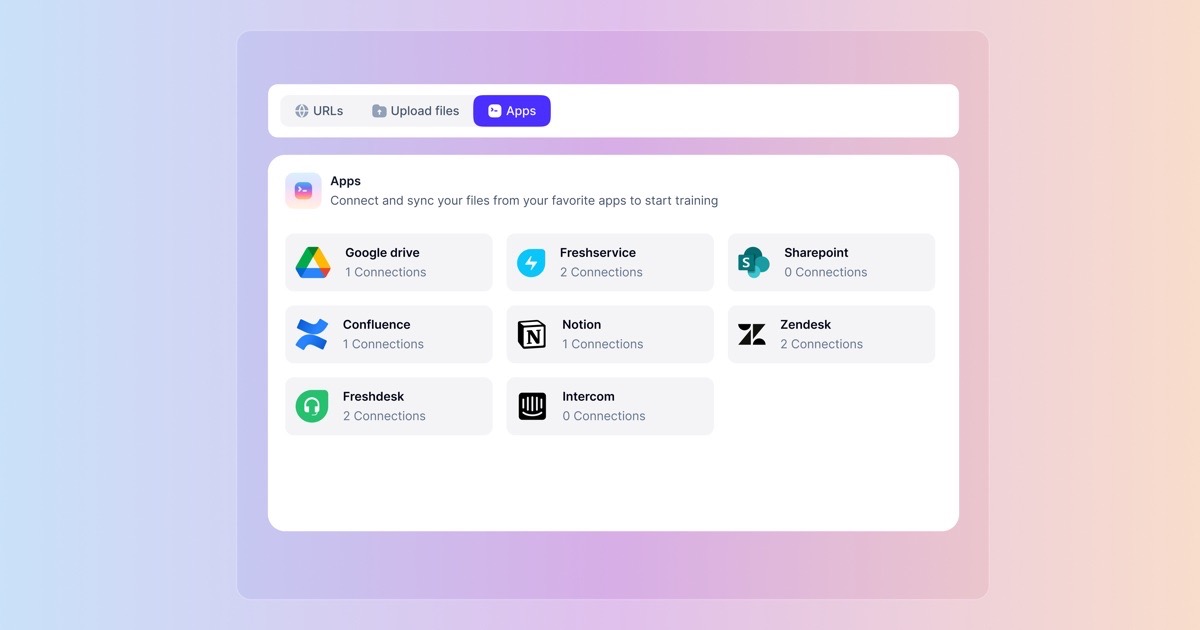
Connect and Synchronize
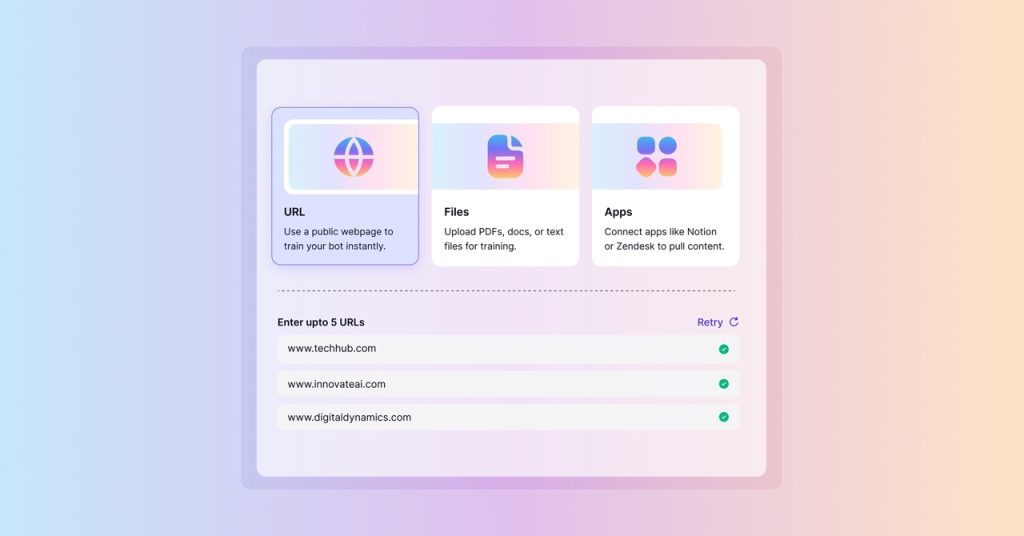
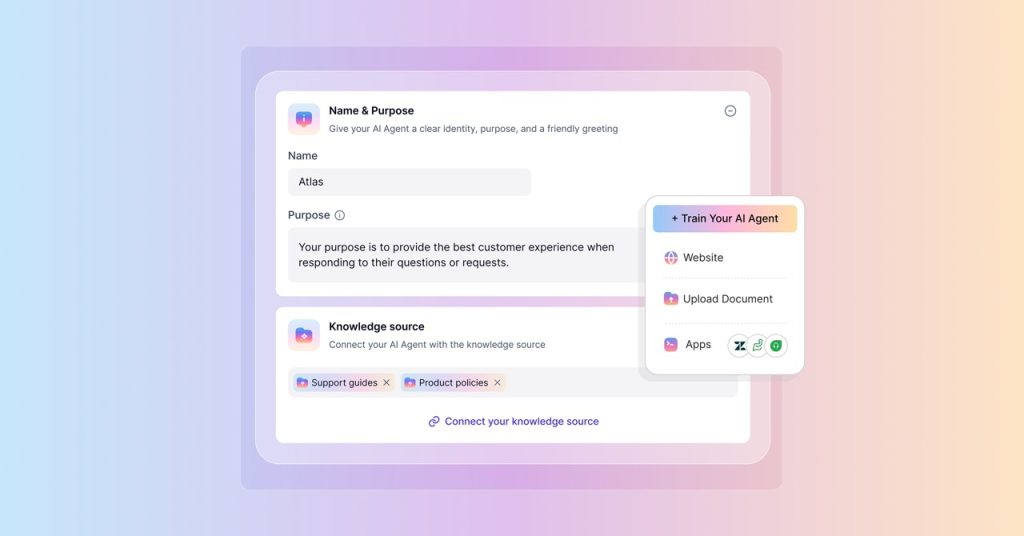
PagerGPT works by letting you create intelligent AI agents that understand your business context and act on it across conversations and workflow systems — all without writing code. At a high level, you start by training an agent on your own data: this can include your website content, internal documents (like PDFs or help guides), helpdesk knowledge bases, and other tool integrations. The platform uses that information to ensure responses are grounded in your material rather than generic AI guesses.
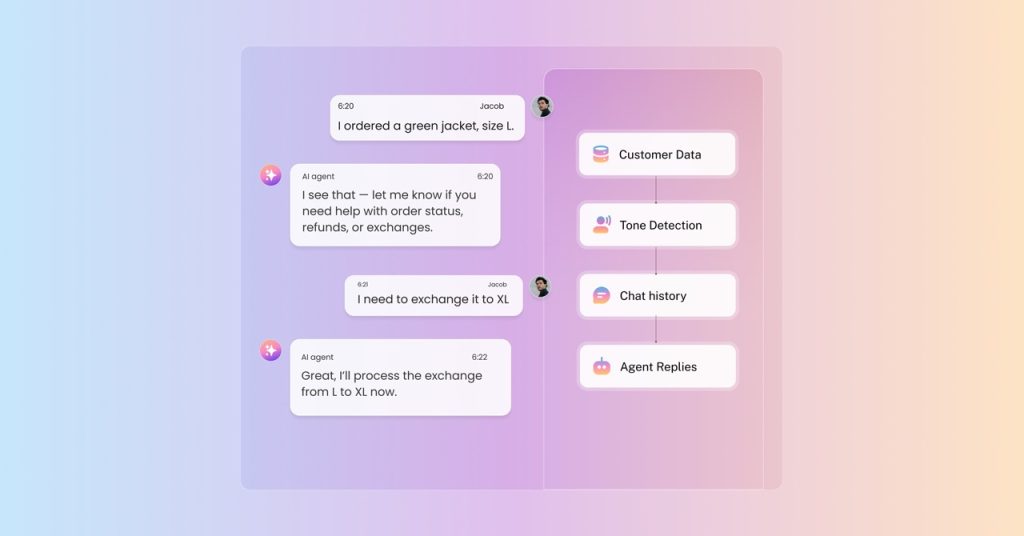
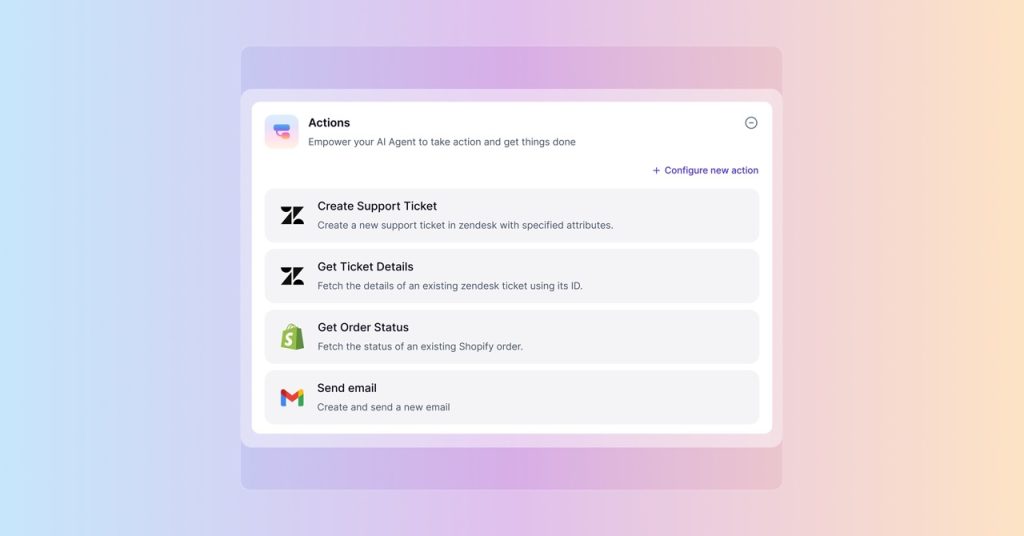
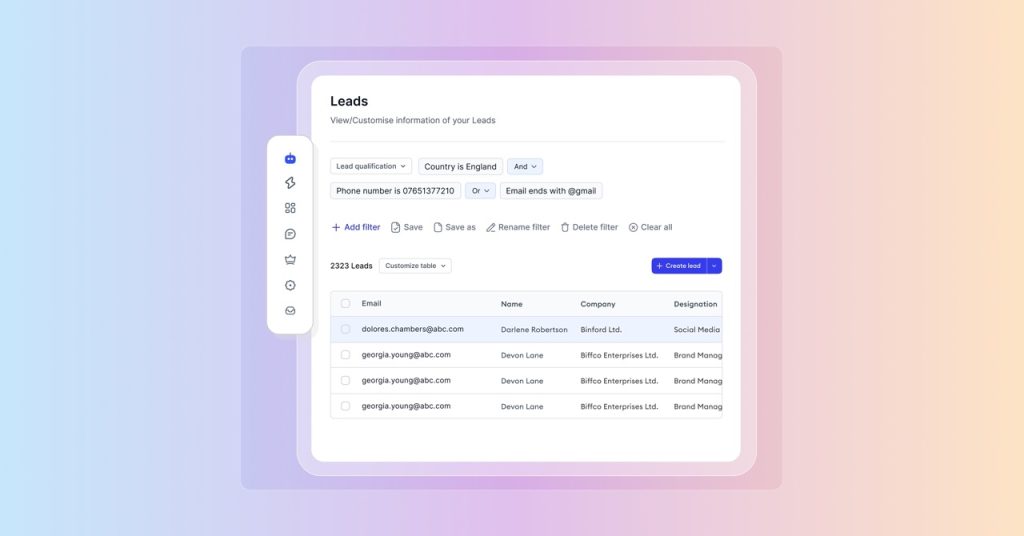
Once trained, you customize the agent’s behavior — setting its tone, how it responds, and what it’s allowed to do — and then connect it to your business tools. These integrations aren’t just for looking things up; they let the agent perform real actions such as creating support tickets, processing refunds, booking meetings, capturing and syncing leads with CRMs, or accessing order data from e-commerce systems. This shifts the agent from being a “chat responder” to an operator that can complete tasks on behalf of users.
Finally, you deploy the agent across customer touchpoints such as your website, WhatsApp, Slack, or messaging apps. When someone interacts with the agent, it uses trained context and integrated systems to provide accurate answers, take actions, and escalate complex or sensitive conversations to human team members through a shared live inbox when needed. The process is designed to be intuitive and fast, letting businesses get fully operational AI agents live in a matter of hours or days rather than months.
At its core, PagerGPT lets businesses build intelligent AI agents without writing code:
- Train: You connect your knowledge sources (website content, help docs, CRMs, file repositories) and the system ingests this content to understand your domain.
- Customize: Decide how the agent should sound and act — whether as a support rep, sales assistant, or operations helper.
- Integrate: Link with tools like help desks, payment processors, calendars, and messaging channels.
- Deploy: Choose where it will respond — on your website, WhatsApp, Slack, or other preferred channels.
From there, PagerGPT’s AI interprets user inputs, applies context from your data, and can even perform real tasks on your behalf — like creating a ticket, booking a meeting, or processing a refund — rather than just answering questions
What Makes PagerGPT Unique
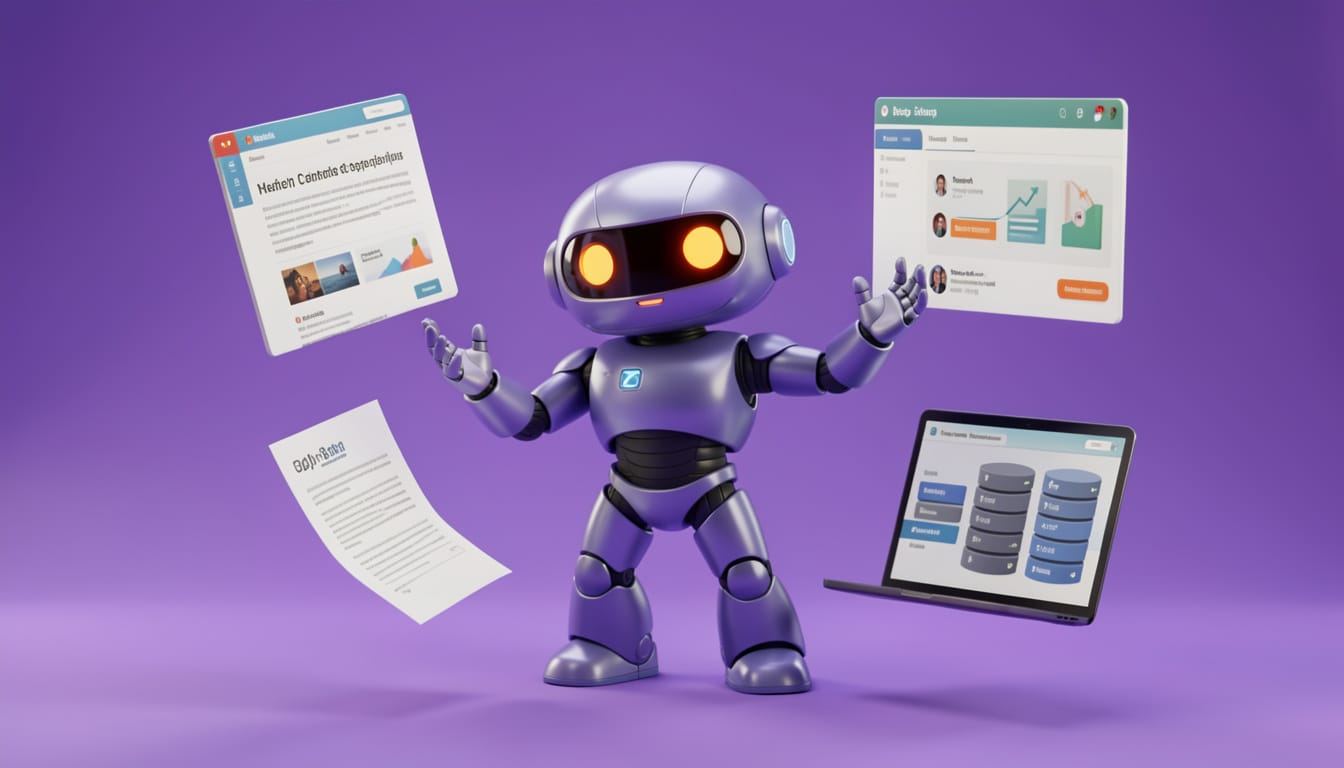
Create AI Agents That Know Your Business First Hand
PagerGPT differentiates itself from standard chatbot solutions by focusing less on scripted responses and more on autonomous, execution-oriented agents. Rather than training intent trees or complex rule sets, it uses multi-source knowledge (websites, documents, help desks, databases) to ground responses in factual context and then acts across systems via integrations.
This action-enabled model — where the AI triggers actual workflows — sets it apart from competitors that often remain static Q&A engines. It positions PagerGPT closer to a digital operational assistant rather than merely a conversational interface.
Core Features and Practical Benefits
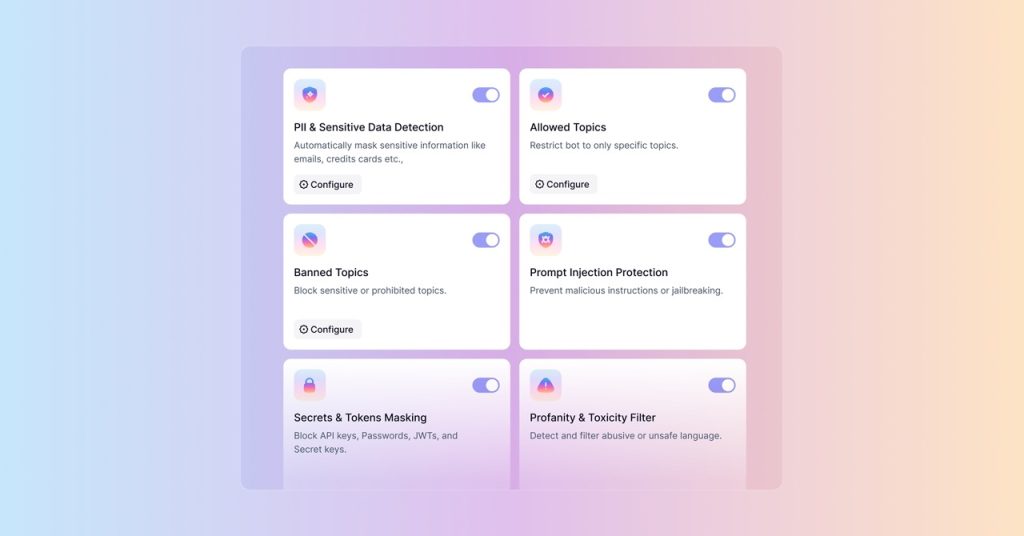
Enterprise-Grade Security and Compliance PagerGPT holds certifications such as ISO 27001 and SOC 2, and complies with GDPR standards — important for security-sensitive businesses. (PagerGPT)
No-Code AI Agent Builder Build and launch AI agents in minutes without technical expertise. This lowers barriers to adoption for small teams. (PagerGPT)
Action-Capable Automation Agents do more than chat — they trigger real operations across integrated tools. This turns conversation into resolution. (PagerGPT)
Multi-Channel Deployment Support across website chat, WhatsApp, Slack, and more ensures consistent customer experiences wherever users interact. (PagerGPT)
Shared Live Inbox & Human Handoff When issues require human insight, agents can escalate with full context for teams to step in seamlessly. (PagerGPT)
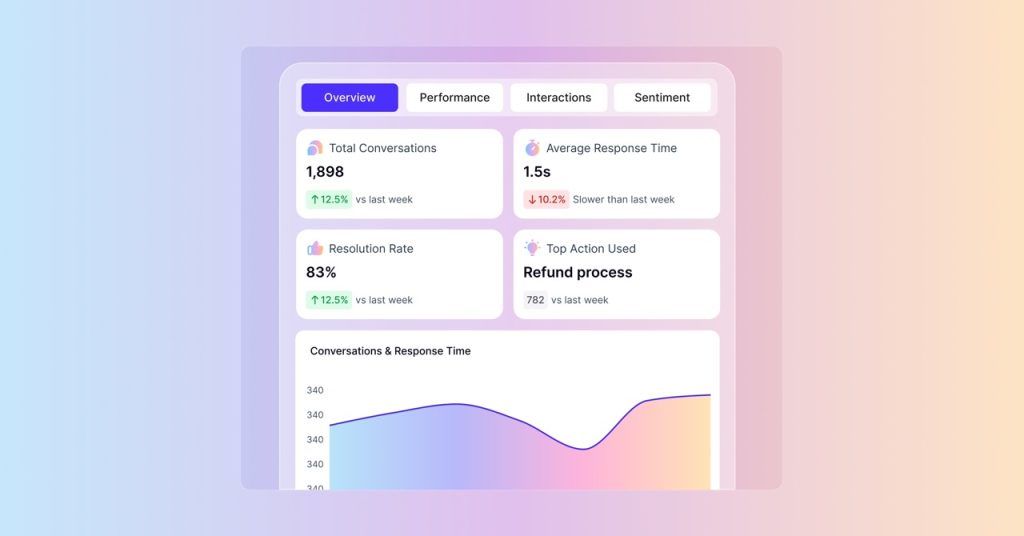
Advanced Analytics & Insights Tracking sentiment, resolution rates, and interaction trends helps teams refine support strategies over time. (PagerGPT)
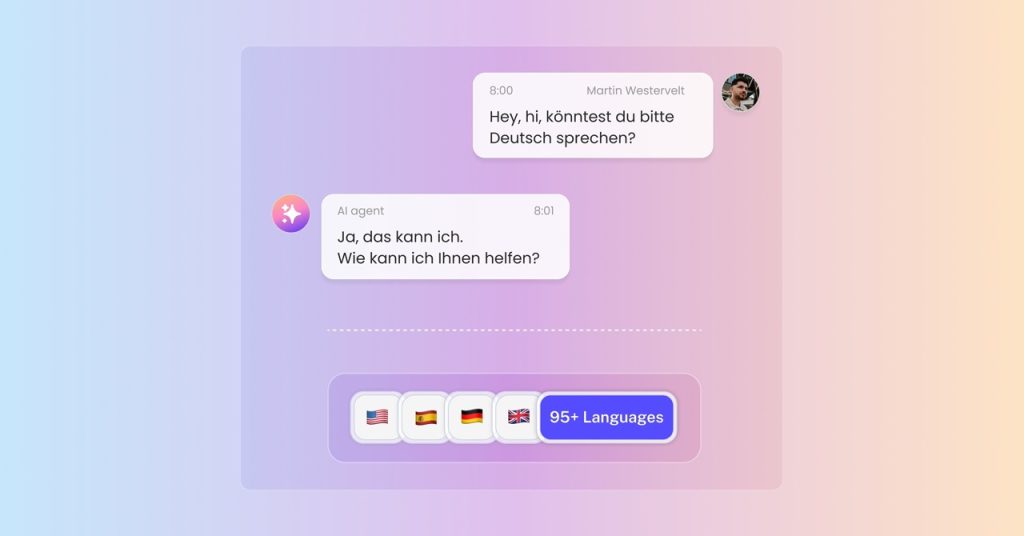
95+ Language Support Automatic language detection and multilingual handling make it adaptable for global audiences. (PagerGPT)
PagerGPT Overview
What you should know
Balanced Limitations
While powerful, PagerGPT has a few considerations to weigh:
- Dependence on Integration Quality: The more systems you connect, the more reliable the automation becomes — but this also raises setup complexity.
- RAG-Driven Learning Bounds: It uses retrieval-augmented generation rather than self-learning models, so completeness of data sources affects performance.
- Potential Hallucinations: Despite guardrails, large language models can produce inaccuracies if training data isn’t comprehensive.
- Pricing and Scale: For heavy enterprise use, custom pricing may be necessary; businesses should assess long-term ROI versus support volume automation gains.
Ideal Customer Segments
PagerGPT is particularly well-suited for:
- Growing SaaS companies needing to reduce support overhead;
- E-commerce businesses that require 24/7 customer interaction and operational follow-through;
- Mid-market and enterprise teams managing large ticket volumes;
- Sales and marketing teams that want automated lead qualification;
- Global operations with diverse language requirements.
Smaller teams with minimal support demand might find simpler tools sufficient until complexity or volume grows.
Strategic Recommendation
PagerGPT occupies a compelling niche between basic chatbots and heavyweight full-stack automation suites. Its most valuable contribution is enabling businesses to automate real outcomes — not just conversations — without code. For organisations wrestling with high support load and repetitive operational tasks, PagerGPT provides both a lower-touch automation entry point and a scalable platform for broader workflow orchestration. (PagerGPT)
That said, success hinges on thoughtful implementation and solid data sources. Teams should invest upfront in knowledge mapping and integration planning so the AI’s actions remain accurate and aligned with business goals. (PagerGPT)
In markets where customer experience and operational efficiency directly impact revenue, PagerGPT offers practical leverage.(PagerGPT)
RELATED CONTENT