
1. Demographics & Context
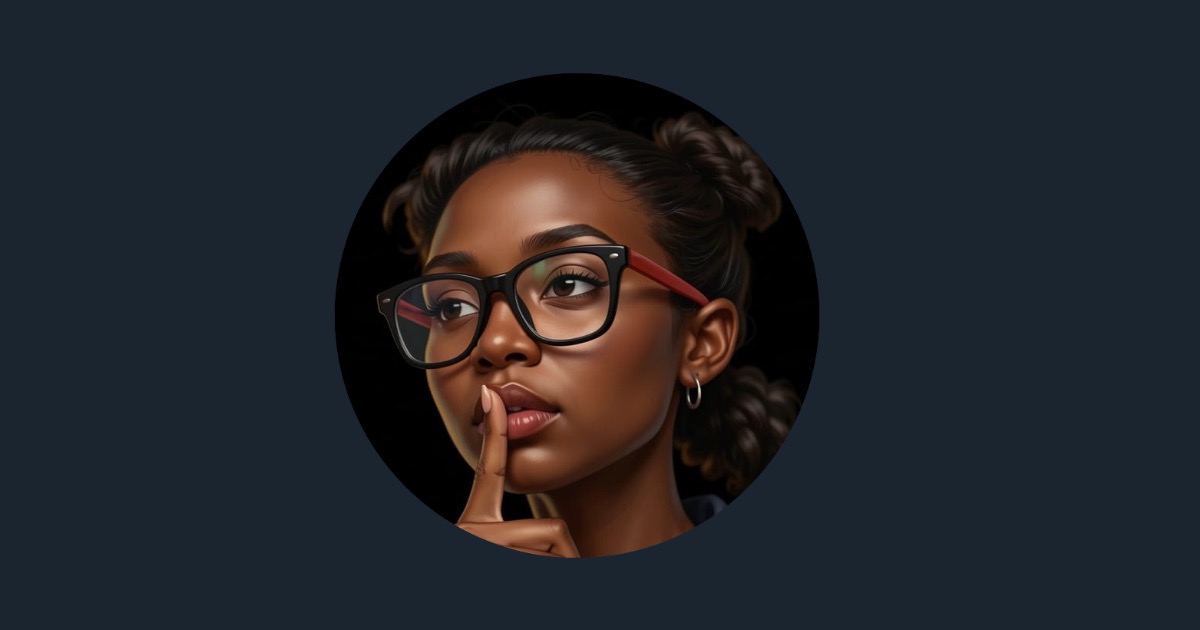
Name: Anva Taylor
Born: Circa 2002 (age 24)
Born in the early 2000s, grew up with broadband internet, smartphones, and social media as the norm. Entered adulthood during the post‑pandemic hybrid economy and the explosion of generative AI.
→ Analysis: As a core Gen Z member, Anva is a true digital native. She has never known a world without the web, and she adapted to smartphones, cloud apps, and social platforms before adolescence. Unlike older generations, she does not remember dial‑up or the pre‑internet era. This makes her instinctively fluent in digital collaboration tools, but also acutely aware of how fast technology can disrupt careers – specifically AI. Her generational position gives her both adaptability and a sense of urgency: she must constantly reinvent her value proposition.
Place of Upbringing: St. Lucia, Caribbean
Small island nation with limited but growing tech infrastructure; strong community ties and a slower pace of life compared to global cities.
→ Analysis: Growing up in St. Lucia shaped Anva’s perspective in several ways. She likely had less access to high‑end design software, internships, and networking events than her New York peers. This taught her resourcefulness and self‑motivation. The Caribbean’s vibrant visual culture (color, pattern, storytelling) influences her design aesthetic. However, she also experienced the “digital divide” – slower internet, fewer local tech jobs – which fuels her determination to succeed in a global, remote‑first market. Moving to New York was a deliberate leap into a fast‑paced, competitive environment.
Current Residence: New York, New York, USA (relocated for university studies; now staying post‑graduation)
Lives in a shared apartment in Brooklyn or Queens; navigates high rent, subway commutes, and a dense creative job market.
→ Analysis: New York exposes Anva to cutting‑edge design firms, tech startups, and a vast network of creatives. It also imposes financial pressure – she likely works a side gig (freelance, retail, or food service) alongside her job search. The city’s intensity forces her to be proactive, but it also fuels burnout. Her decision to stay in New York post‑graduation shows ambition and a willingness to compete, but she must balance high living costs with entry‑level salaries.
2. Professional Profile
Line of Business / Role: Design Graduate (recently completed a degree in design, e.g., graphic design, UI/UX, or product design). Currently seeking full‑time employment or building a freelance/entrepreneurial practice.
→ Analysis: Anva has formal training in design principles, tools (Figma, Adobe Creative Suite), and possibly user research. However, she graduates into a market where AI tools (Midjourney, DALL‑E, Canva AI, Figma AI) are commoditizing basic design tasks. She understands that a traditional “junior designer” role may no longer be sufficient. The reference source states: “Design graduates like Anva Taylor embrace AI not as a replacement but as a catalyst that demands they become business owners, content creators, and strategists alongside their design skills.” This means she sees herself as a hybrid: designer + entrepreneur + content creator + AI‑augmented strategist.
Work Environment: Currently fluid – applies to full‑time roles, takes freelance gigs, builds a personal brand on social media (e.g., Behance, Instagram, TikTok), and experiments with AI tools. Works from a shared apartment, coffee shops, or public library.
→ Analysis: Anva’s environment is scrappy and mobile. She cannot afford a dedicated studio. She uses cloud‑based tools and a laptop (likely a MacBook or high‑performance Windows machine). She is comfortable with asynchronous collaboration and remote interviews. Her “office” is wherever she can find Wi‑Fi and a power outlet. This lack of a stable workspace pushes her toward efficient, low‑overhead digital tools.
Digitally Remote / Nomadic Tendencies: Moderate to high (by necessity, not luxury)
Works remotely because entry‑level local jobs are scarce; may consider temporary relocation to lower‑cost cities or return to St. Lucia for remote work.
→ Analysis: Anva is not a “digital nomad” by choice in the lifestyle sense – she is remote because the industry is shifting that way and because New York rent is punishing. She is open to working for companies anywhere, as long as time zones align (US Eastern or Caribbean). She may eventually consider moving back to St. Lucia to work remotely for a US company, leveraging lower living costs. Her nomadic tendency is pragmatic, not aspirational.
3. Identity & Culture
Cultural Characteristics (cultural identity): Afro‑Caribbean / St. Lucian heritage, first‑generation college graduate in her family, now living as an immigrant in the US.
→ Analysis: Anva’s identity is layered. She carries the pride and expectations of her family back in St. Lucia – she is a trailblazer. This adds pressure to succeed financially and professionally. Her Caribbean background gives her a distinctive visual voice (bold color, pattern, narrative) that can differentiate her in a crowded design market. However, she may also face implicit bias or networking gaps in the predominantly white, upper‑middle‑class design industry. She is determined to overcome these through skill, hustle, and strategic use of AI. Her cultural identity makes her empathetic to under‑represented users – a strength in inclusive design.
Primary Digital Tools & Platforms:
- Design: Figma, Adobe Creative Cloud (Photoshop, Illustrator, After Effects), Canva (for speed)
- AI augmentation: Midjourney, DALL‑E, ChatGPT, Notion AI, Runway ML
- Portfolio & branding: Behance, personal website (Webflow or Framer), Instagram, TikTok
- Productivity: Notion, Trello, Google Drive, Calendly
- Learning: YouTube tutorials, Coursera, UX design blogs
→ Analysis: Anva’s tool stack is a mix of industry standards and AI‑first platforms. She uses generative AI not to replace her creativity but to speed up mood boarding, generate variations, write copy, and handle repetitive tasks. She is also learning to prompt‑engineer effectively – a skill she sees as essential. She avoids tools that are purely automated with no human control. She uses social media (especially TikTok and Instagram) to showcase her process, not just finished work, building a personal brand that potential employers or clients can discover.
4. Motivations & Frictions
Goals & Motivations:
- Professional: Land a design role (full‑time or consistent freelance) that pays enough to live in New York or remotely; build a personal brand that attracts clients; master AI tools to stay relevant; eventually start her own small design studio or content agency.
- Personal: Prove to her family back in St. Lucia that the move was worth it; gain financial independence; travel back home regularly; use design to tell Caribbean stories.
→ Analysis: Anva is driven by survival, recognition, and legacy. She is not just looking for a job – she is building a career in a disrupted field. Her motivation is fierce because she has no safety net (her family sacrificed for her education). She is determined not to let AI “stand in her way” – instead, she will ride the wave. She is motivated by autonomy (being her own boss eventually) and by impact (representing Caribbean creatives).
Pain Points / Frustrations:
- Entry‑level design jobs being automated away or offshored.
- AI tools that produce generic outputs, forcing her to work harder to differentiate.
- High cost of living in New York versus low starting salaries.
- Imposter syndrome when comparing herself to peers with family connections or prestigious internships.
- Time management – balancing job applications, freelance work, portfolio building, and learning AI.
- Clients who think AI can replace human designers entirely (undervaluing strategy, empathy, and cultural nuance).
→ Analysis: Anva’s frustrations are existential as much as practical. She fears being made irrelevant, so she over‑compensates by learning everything at once. Financial stress is real – she may take on unrelated side hustles (e.g., serving tables) that drain her design energy. Her biggest professional pain is convincing potential employers or clients that her human + AI hybrid approach is more valuable than AI alone. She needs tools that help her prove ROI quickly.
Values & Decision‑Making Triggers:
Values: Creativity, adaptability, community (supporting other emerging designers), authenticity, self‑reliance.
Triggers: A tool that offers a free student or graduate tier; a clear learning curve with tutorials; integration with Figma or Adobe; a vibrant community of young designers sharing tips; testimonials from graduates who succeeded.
Skepticism: Overpriced “bootcamps” that promise job placement; AI tools that claim to replace designers entirely; software with no transparency on data privacy; companies that ignore diversity.
→ Analysis: Anva makes decisions based on peer validation (TikTok reviews, Discord groups) and free trials. She cannot afford expensive subscriptions, so she hunts for freemium models, student discounts (even post‑grad, some extend), or open‑source alternatives. She will commit to a paid tool only if it saves her hours each week or directly leads to paid work. She is quick to drop tools that feel like gimmicks.
5. Behavioral & Communication Preferences
Communication Preferences:
- Channels: Instagram DMs and TikTok comments for casual networking; email for professional applications; Discord or Slack for design communities; Zoom for interviews. Avoids phone calls.
- Frequency: Asynchronous first – she is often juggling multiple tasks. Appreciates clear, written briefs.
- Tone: Friendly, enthusiastic, but professional. She uses emojis and exclamation points, but knows when to be formal.
→ Analysis: Anva communicates like her generation – fast, visual, and mobile‑first. She expects quick replies and values transparency. Marketing to her should use short video (TikTok/Instagram Reels), not long white papers. She responds to authentic, behind‑the‑scenes content from founders or designers. She is wary of overly corporate language. She appreciates when a brand’s support team uses a casual, human tone.
Daily Routines & Habits:
- Morning (8–9 AM): Checks email, LinkedIn, and freelance platforms (Upwork, Fiverr). Reviews AI tool updates and design news (via newsletters or Reddit).
- Deep work block (9 AM–12 PM): Portfolio projects, freelance design, or AI experimentation (prompt crafting, asset generation).
- Lunch & social scroll (12–1 PM): Instagram/TikTok – posts her work, engages with other designers.
- Afternoon (1–4 PM): Job applications, networking DMs, client calls, learning (tutorials or online courses).
- Late afternoon (4–6 PM): Side hustle (e.g., remote virtual assistant or retail shift) – not design.
- Evening (7–9 PM): Personal projects, community Discord chats, gaming or streaming to unwind.
→ Analysis: Anva’s day is fragmented – she must allocate time to income‑generating non‑design work, which is frustrating but necessary. Her deep work block is precious and often interrupted by urgent emails. She uses productivity tools (Notion, Trello) to track applications and tasks.
Marketing messages sent between 8–9 AM or 12–1 PM (her social scroll time) have the highest chance of engagement. She is most receptive to educational content (e.g., “5 AI prompts for designers”) delivered as short videos or carousels.
RELATED CONTENT