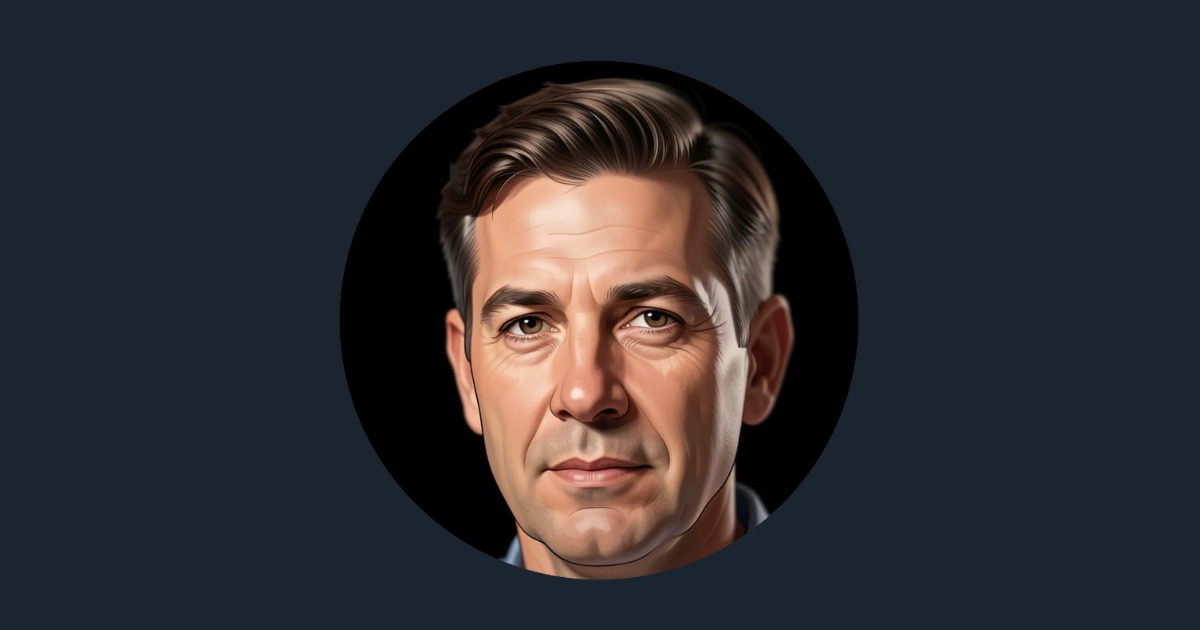

Persona Dossier: Carlos Mendez
1. Demographics & Context
Name: Carlos Mendez
Born: Circa 1982 (age 44)
Born in the early 1980s, grew up in the late analog era, entered the workforce before the mainstream internet, and adapted to digital tools as an adult.
→ Analysis: As a Gen Xer / early Millennial cusp (Xennial), Carlos remembers life without computers and smartphones. He learned physical therapy through hands‑on apprenticeship and textbooks, then later adopted digital scheduling, EHRs, and online marketing. This makes him pragmatic and somewhat skeptical of “tech for tech’s sake.” He values proven methods but is open to tools that save time.
Place of Upbringing: Le Mata, Spain (small town or rural area, likely in a region like Castilla‑La Mancha, Andalusia, or Extremadura)
→ Analysis: Growing up in a small Spanish town gave Carlos a strong sense of community, physical outdoor activity (agriculture, sports), and a slower pace of life. He likely had limited access to advanced technology in his youth, so he is self‑taught in digital skills. His Spanish identity includes a culture of siesta (rest), family meals, and social connection – which influences his work schedule and client relationships.
Current Residence: Le Mata, Spain (still lives and works in his hometown)
→ Analysis: Carlos has chosen to stay in his small town rather than move to a city like Madrid or Barcelona. This reflects his values: community, lower cost of living, and a loyal local client base. He likely serves farmers, retirees, young athletes, and families. He may also offer keep‑fit classes in the local community center. His reputation is built on word‑of‑mouth.
2. Professional Profile
Line of Business / Role: Physical Therapist & Keep‑Fit Specialist
Provides rehabilitation for injuries, chronic pain, post‑surgery recovery, as well as fitness training for general health, sports performance, and elderly mobility.
→ Analysis: Carlos combines clinical physical therapy (likely with a university degree in physiotherapy – “fisioterapia” in Spain) with fitness coaching. This dual role is common in rural areas where specialists are scarce. He may work in a small private clinic, a municipal sports center, or offer home visits. He is licensed by the Spanish Physical Therapy Association (CGCFE).
Work Environment: In‑person only – a small private clinic (maybe a converted room in his home or a rented space) and home visits for elderly or disabled clients. Minimal remote work.
→ Analysis: Carlos’s work is hands‑on – massage, therapeutic exercises, manual therapy, and gait analysis. He does not offer virtual consultations because physical assessment is essential. He uses digital tools for scheduling, billing, and exercise prescription (sending videos or PDFs to clients). His clinic likely has basic equipment: treatment table, weights, resistance bands, and a computer.
Digitally Remote / Nomadic Tendencies: None
Works entirely from his hometown. Travels for continuing education courses or family visits, but not for work.
→ Analysis: Carlos is not remote or nomadic. His clients come to him locally. He values stability and presence. The only “travel” is home visits within a 10‑km radius. He may attend a physiotherapy conference in Valencia or Madrid once a year.
3. Identity & Culture
Cultural Characteristics (cultural identity): Spanish, white European, middle‑class, Catholic background (culturally, if not practicing). Family‑oriented, community‑minded.
→ Analysis: Carlos embodies traditional Spanish values: hard work, family loyalty, respect for elders, and enjoying life (good food, socializing, siesta). He is likely married with children. His communication is direct, warm, and personal. He is not fluent in English (though may know basic phrases). His identity is deeply local – he is known as “Carlos the physio” in Le Mata.
Primary Digital Tools & Platforms:
- Scheduling & billing: Simple local software (e.g., a Spanish clinic management tool) or even paper + Excel
- Exercise prescription: WhatsApp (sends videos or PDFs to clients)
- Marketing: Facebook (local groups), word‑of‑mouth, Google My Business listing
- Continuing education: Online courses (in Spanish) from platforms like FisioOnline or YouTube tutorials
- Personal: WhatsApp, Facebook Messenger
→ Analysis: Carlos uses digital tools that are simple, cheap, and widely adopted in Spain. He avoids complex SaaS because he does not have time to learn. WhatsApp is his primary communication channel with clients (appointment reminders, exercise follow‑ups). He has a Facebook page but updates it rarely. He is not on Instagram or TikTok. He trusts Google reviews and local reputation.
4. Motivations & Frictions
Goals & Motivations:
- Professional: Maintain a steady flow of local clients; stay updated on evidence‑based physiotherapy; possibly hire another therapist or expand his clinic space.
- Personal: Provide for his family; have enough free time for weekends and evenings; retire comfortably in Le Mata.
→ Analysis: Carlos is motivated by stability, respect, and service to his community. He is not ambitious for fame or wealth – he wants a good life. He is motivated to keep learning because he genuinely cares about patient outcomes. He fears new competitors (e.g., a chain clinic opening nearby) or changes in health insurance reimbursement.
Pain Points / Frustrations:
- No‑shows and last‑minute cancellations (waste of his time).
- Clients who do not follow home exercise programs.
- Administrative paperwork (insurance claims, patient records) – he prefers treating over typing.
- Keeping up with digital trends – he feels behind but doesn’t have time to learn.
- Physical toll of manual therapy (back pain, hand fatigue after years of work).
→ Analysis: Carlos’s frustrations are classic for a solo practitioner. He needs simple, low‑friction tools for appointment reminders (e.g., automated SMS), digital forms, and exercise tracking. He would pay for a solution that integrates with WhatsApp and is available in Spanish. He is also interested in ergonomic tools for his own body.
Values & Decision‑Making Triggers:
Values: Personal touch, reliability, evidence‑based practice, family, simplicity.
Triggers: A tool that offers a free trial with no credit card; a recommendation from a fellow physiotherapist in his region; a solution that works on his smartphone (he rarely uses a desktop); a one‑time purchase rather than a subscription.
Skepticism: Any tool that requires ongoing training; “AI revolution” hype; expensive monthly fees; tools that seem designed for large clinics, not solo practitioners.
→ Analysis: Carlos decides based on trust and simplicity. He will not buy something he cannot figure out in 15 minutes. He prefers to pay once rather than monthly. He trusts Spanish‑language support and local testimonials. He is unlikely to be reached via LinkedIn; Facebook ads in local groups or Google Search ads are more effective.
5. Behavioral & Communication Preferences
Communication Preferences:
- Channels: WhatsApp (primary), phone calls (for elderly clients), Facebook Messenger (some younger clients). Avoids email for quick messages.
- Frequency: Real‑time for urgent issues, otherwise same‑day replies.
- Tone: Warm, respectful, and clear. Uses Spanish idioms and local expressions.
→ Analysis: Carlos appreciates when vendors communicate in Spanish (or at least offer a Spanish interface). He dislikes long sales emails. A short WhatsApp message or a Facebook post in a local group is more effective. He rarely checks email after work hours.
Daily Routines & Habits:
- Morning (8–9 AM): Breakfast with family, check WhatsApp messages from clients.
- Clinic hours (9 AM–2 PM): Appointments (every 30–45 minutes).
- Siesta (2–4 PM): Lunch, rest, sometimes paperwork.
- Afternoon (4–7 PM): More appointments, home visits, or keep‑fit classes.
- Evening (7–8 PM): Admin (invoicing, insurance forms) – he tries to keep it short.
- Night: Family time, watching TV (sports or news), light social media scrolling.
→ Analysis: Carlos’s workday is split by siesta – a traditional Spanish rhythm. He is most responsive to marketing messages during his admin window (7–8 PM) or during siesta if the message is very short. He does not engage with content during clinic hours. He reads WhatsApp and Facebook in the evening.
End of Dossier – Carlos Mendez
RELATED CONTENT