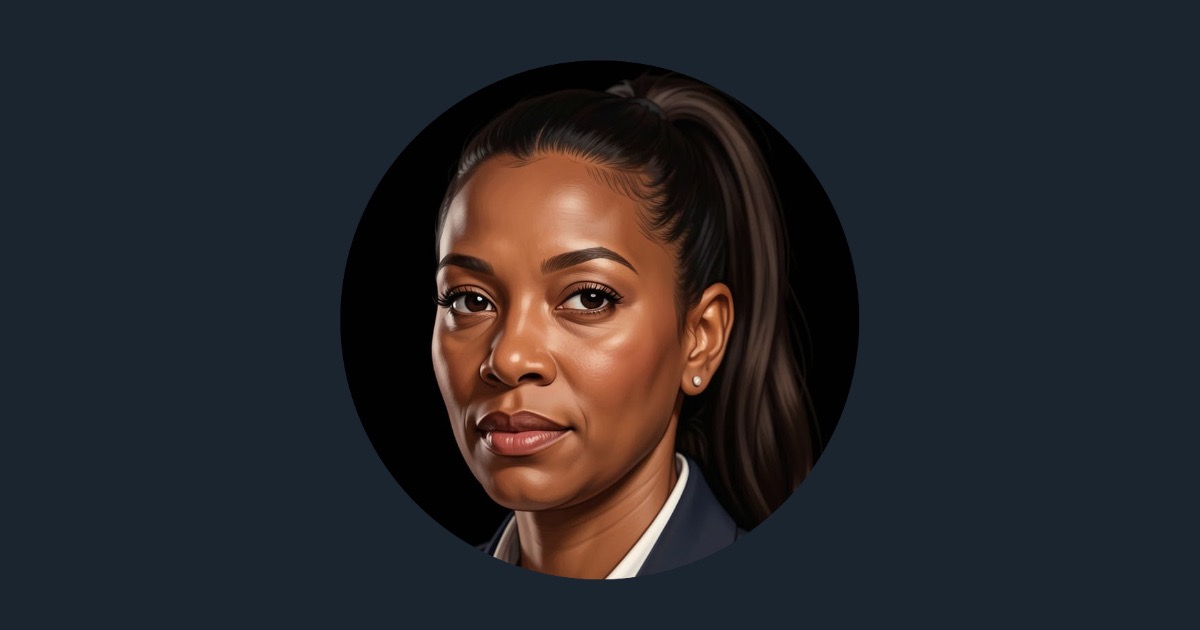

Persona Dossier: Dr. Maya Ward
1. Demographics & Context
Name: Dr. Maya Ward
Born: Circa 1992 (age 34)
Born in the early 1990s, grew up alongside the mainstream adoption of the internet, email, and mobile phones. Entered young adulthood during the rise of social media, wellness apps, and the gig economy.
→ Analysis: As an elder Millennial, Maya remembers life before smartphones but adapted quickly to digital tools. She experienced the transition from in‑person wellness coaching to remote and hybrid models, accelerated by the COVID‑19 pandemic. This makes her tech‑comfortable but not tech‑obsessed; she values human connection and uses technology as an enabler, not a replacement.
Place of Upbringing: Birmingham, United Kingdom
Major post‑industrial city with a diverse, multicultural population; strong community feel but less tech‑centric than London.
→ Analysis: Growing up in Birmingham exposed Maya to a mix of traditional British culture and diverse immigrant communities. This shaped her inclusive, integrative approach to wellness – she understands that health means different things to different people. Birmingham’s National Health Service (NHS) presence also gave her early exposure to public health values. She is grounded, not pretentious, and her accent and mannerisms carry a warm Midlands practicality.
Current Residence: Birmingham, UK (lives and works locally, with some remote clients nationwide)
→ Analysis: Maya chooses to remain in Birmingham rather than moving to London, valuing lower living costs, a supportive local network, and a less frenetic pace. Her client base includes professionals, parents, and small business owners in the Midlands. She works from a home office and a shared wellness studio. The city’s growing reputation for health tech and wellness startups provides her with collaboration opportunities.
2. Professional Profile
Line of Business / Role: Integrative Wellness Coach (holds a doctorate in a relevant field – e.g., clinical psychology, naturopathy, or health sciences).
Combines evidence‑based practices (nutrition, movement, sleep, stress management) with holistic, client‑centered coaching.
→ Analysis: Maya is not a “wellness influencer” – she has formal credentials. Her title “Dr.” indicates a doctoral degree, which she uses to build trust and differentiate herself from unqualified coaches. She works with clients on chronic stress, burnout, weight management, and lifestyle diseases. Her integrative approach means she may refer clients to medical doctors when needed. She is likely registered with a professional body (e.g., UK Health Coaches Association).
Work Environment: Hybrid – in‑person sessions at a shared wellness studio (2–3 days/week) and remote coaching via Zoom (2 days/week). Uses a mix of paper notes and digital tools (scheduling, client portals, outcome tracking).
→ Analysis: Maya values face‑to‑face connection for initial assessments and hands‑on techniques (e.g., breathwork, basic movement). Remote sessions allow her to serve clients across the UK. Her digital tool stack is lightweight: Calendly for booking, Zoom for calls, Google Drive for shared resources, and a simple CRM (e.g., Practice Better or a spreadsheet). She avoids over‑engineering because her brand is human‑centric.
Digitally Remote / Nomadic Tendencies: Low
Primarily home‑ and studio‑based. Travels for professional conferences or retreats, but does not work while traveling.
→ Analysis: Maya’s work relies on consistent relationships and a calm environment. She is not a digital nomad. She may take one or two wellness‑focused trips per year (e.g., a yoga retreat in Spain or a coaching conference in London) but treats them as professional development, not remote work.
3. Identity & Culture
Cultural Characteristics (cultural identity): British, of Caribbean or South Asian descent (implied by surname “Ward” – could be mixed heritage; but we’ll keep neutral). Educated, middle‑class, with a strong community orientation.
→ Analysis: Birmingham’s diversity likely influenced Maya’s inclusive practice. She is comfortable working with clients from various ethnic and socioeconomic backgrounds. Her identity as a “Dr.” carries weight in British society, but she deliberately downplays hierarchy to build rapport. She is secular but respects clients’ spiritual beliefs. Her wellness philosophy integrates both Western science and mind‑body practices (e.g., meditation, yoga).
Primary Digital Tools & Platforms:
- Scheduling: Calendly or Acuity
- Communication: Zoom, WhatsApp (for quick client check‑ins)
- Client management: Simple CRM or Notion database
- Content: Instagram (professional, not personal) for tips and community; Medium or LinkedIn for longer articles
- Learning: PubMed, Coursera, wellness podcasts
→ Analysis: Maya uses digital tools sparingly and intentionally. She avoids anything that feels impersonal or adds administrative burden. Her Instagram is curated but authentic – she posts client success stories (with permission), short breathing exercises, and evidence‑based myth‑busting. She values tools that integrate with each other (e.g., Calendly + Zoom) to reduce friction.
4. Motivations & Frictions
Goals & Motivations:
- Professional: Build a sustainable coaching practice with 15–20 recurring clients; publish a book or online course on integrative wellness; become a recognized voice in the UK wellness space.
- Personal: Maintain her own work‑life balance (she coaches on burnout, so she must model it); spend time with family; travel to the countryside regularly.
→ Analysis: Maya is motivated by impact, not scale. She wants to help people make lasting changes, not sell high‑volume packages. She is driven by intellectual curiosity – staying updated on research. Financial stability is important, but she prioritizes autonomy over maximizing income. She is wary of the “wellness industrial complex” and distances herself from pseudoscience
Pain Points / Frustrations:
- Clients who expect quick fixes or refuse to do the daily work.
- Social media algorithms that reward sensationalism over evidence.
- Time spent on admin (invoicing, scheduling, notes) instead of coaching.
- Competing with unqualified influencers who offer cheap or dangerous advice.
- Burnout from holding clients’ emotional weight without enough peer support.
→ Analysis: Maya’s frustrations are both external (market noise) and internal (boundary management). She needs tools that automate admin without feeling robotic. She also needs peer supervision or a mastermind group – a pain point that software alone cannot solve. Marketing to her should emphasize time savings, evidence‑base, and respect for professional ethics.
Values & Decision‑Making Triggers:
Values: Evidence‑based practice, empathy, client autonomy, work‑life balance, integrity.
Triggers: Free resources (e.g., webinars, templates) from trusted professional bodies; a tool with a free trial and no lock‑in; testimonials from other health coaches; integration with existing tools (Calendly, Zoom).
Skepticism: Overly salesy “growth hacking” tools; anything that claims to replace the human coach; poor data privacy practices (client confidentiality is paramount).
→ Analysis: Maya decides slowly and consults peers. She will not pay for a tool unless it clearly saves her hours each week or improves client outcomes. She prefers monthly subscriptions over annual commitments. She is open to AI‑powered note‑taking or scheduling assistants but only if they are transparent about data handling.
5. Behavioral & Communication Preferences
Communication Preferences:
- Channels: Email for professional correspondence; WhatsApp for existing clients (quick updates); Instagram DMs for inquiries. Avoids phone calls unless scheduled.
- Frequency: Asynchronous, with clear response times (e.g., 24 hours).
- Tone: Warm, professional, and non‑jargony. Uses plain English, not academic language, with clients.
→ Analysis: Maya’s communication reflects her coaching style: approachable but boundaried. She unsubscribes from marketing emails that are too frequent or impersonal. She appreciates when vendors send a monthly newsletter with one actionable tip, not daily promotions.
Daily Routines & Habits:
- Morning (7–8 AM): Personal wellness routine (meditation, light exercise, breakfast).
- 8–9 AM: Check emails, respond to client messages, review schedule.
- Client sessions (9 AM–12 PM): 2–3 in‑person or remote coaching sessions.
- Lunch & break (12–1 PM): Walks outside, no screens.
- Afternoon (1–4 PM): Admin (notes, invoicing), content creation, professional reading.
- Late afternoon (4–6 PM): 1–2 more client sessions or group workshops.
- Evening: Family time, cooking, light social media engagement.
→ Analysis: Maya protects her mornings for her own wellness – non‑negotiable. She batches client sessions to preserve deep work blocks. Marketing messages sent between 8–9 AM or 1–2 PM (admin time) have the best chance of being seen. She prefers long‑form content (articles, podcasts) over short videos.
End of Dossier – Maya Ward
RELATED CONTENT