
Source: Customer Matters: Personas – Creator Economy Community Members
1. Demographics & Context
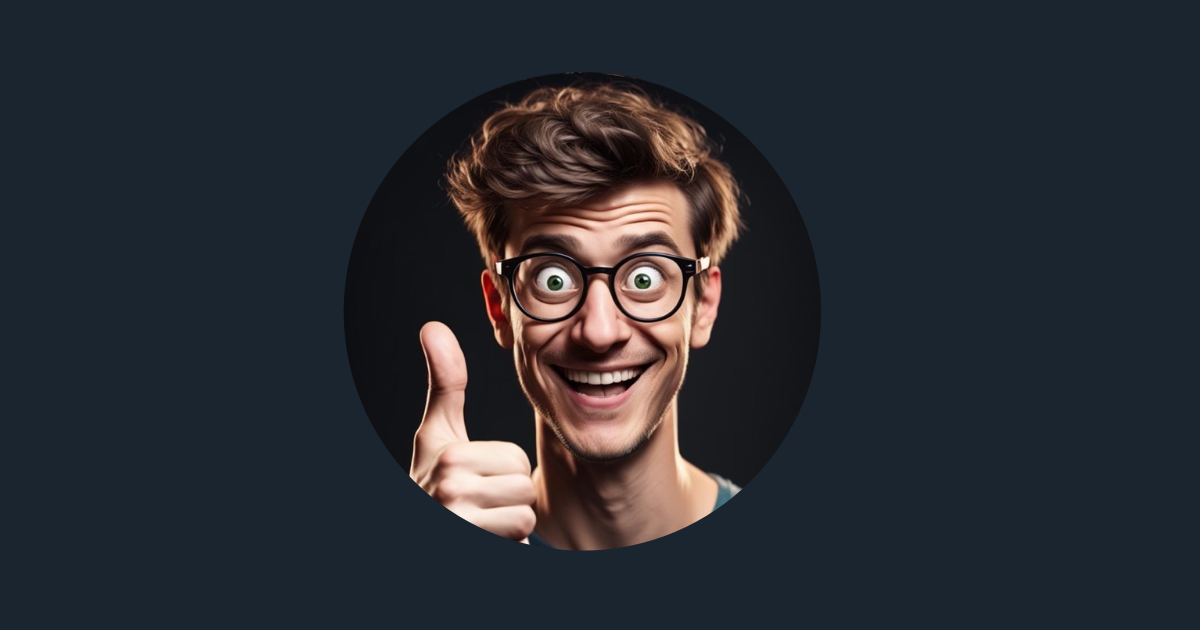
Name: Sam Hucknall IT Specialist (technical support, automation, troubleshooting. Known informally as “Mr. Gadgets” or. “Sam-the-Man”)
Born: Circa 1988 (age 36–37)
Born during the late 1980s, grew up alongside the rise of personal computing, the early consumer internet, and the first wave of gaming consoles.
→ Analysis: As a late Millennial, Sam experienced dial‑up internet, LAN parties, and the transition from CRT monitors to flat screens. He vividly remembers the launch of Windows 95, the original PlayStation, and the early days of online forums. This generational position gives him both nostalgia for classic tech and an insatiable curiosity for the latest gadgets. He is not a digital immigrant nor a pure native – he understands both the hardware tinkering of the 1990s and the cloud‑first, API‑driven world of today.
Place of Upbringing: United States of America (exact location unspecified)
→ Analysis: While his hometown is not provided, Sam’s hands‑on, DIY approach and community engagement suggest a suburban or small‑city upbringing where he had space to tinker (garage workbenches, computer builds). He likely had access to a school computer lab or a family PC, sparking his early interest. The lack of a major tech‑hub origin means his skills are self‑taught and community‑reinforced, not prestige‑driven – which makes him more practical and less susceptible to marketing hype.
Current Residence: United States of America (exact location unspecified)
→ Analysis: Sam currently lives in the US, likely in a mid‑sized city or suburban area with a reasonable cost of living, good internet infrastructure, and access to tech meetups. His hobbies (gaming, DIY, travel photography) require a mix of indoor workshop space and outdoor exploration. He probably rents a house or an apartment with a dedicated office/gadget lab. His residence is also his primary workspace, as many IT specialists work remotely or hybrid.
2. Professional Profile
Line of Business / Role: IT Specialist (technical support, automation, troubleshooting)
The go‑to person for technical support, known for problem‑solving and a natural inclination to help others with daunting technical challenges.
→ Analysis: Sam’s role goes beyond basic helpdesk. He is the escalation point – the person colleagues and clients call when something is “weird” or broken in unexpected ways. He specializes in automation (e.g., scripting repetitive tasks, setting up integrations) and diagnosing complex system issues. His “Mr. Gadgets” nickname implies he is also the early adopter who tests new hardware and software before recommending them to the team. He likely works in a small‑to‑medium business, a startup, or as an internal IT specialist for a creator‑economy company.
Work Environment: Hybrid or fully remote, with a home office / gadget lab. Uses Motion as his primary productivity and scheduling tool.
→ Analysis: Sam’s work environment is fluid – he may be on‑site for hardware repairs or network configuration, but most troubleshooting and automation tasks can be done remotely. His home lab is filled with test devices, cables, and spare parts. He relies heavily on asynchronous communication (Slack, Discord, forums) and tools like Motion to auto‑schedule his deep‑work blocks, meetings, and even personal tasks. The hybrid nature means he values tools that sync across devices and reduce context switching.
Digitally Remote / Nomadic Tendencies: Moderate
Primarily home‑based but travels for tech conferences, gaming events, and photography trips. Occasionally works remotely while traveling.
→ Analysis: Sam is not a full‑time nomad, but his lifestyle accommodates remote work. He owns a capable laptop (likely a powerful Windows machine or a MacBook Pro) and a mobile hotspot. He enjoys the flexibility to work from a coffee shop or a friend’s house. His travel for photography and gaming conventions also doubles as informal professional development. He is disciplined enough to maintain response times while on the road, but his home lab remains his primary command center.
3. Identity & Culture
Cultural Characteristics (cultural identity): [Not explicitly stated – inferred as White American male, Millennial, tech‑enthusiast subculture.]
→ Analysis: Sam’s identity is strongly shaped by the tech enthusiast and gamer subcultures, which transcend traditional ethnic or regional boundaries. He communicates in the language of forums, Reddit, Discord, and GitHub – valuing clear documentation, reproducible steps, and a helpful, non‑condescending tone. As a Millennial, he experienced the shift from “tech support as a thankless chore” to “tech support as a respected expertise.” He is likely self‑taught in many areas, which makes him empathetic to beginners but impatient with those who refuse to learn basics. His “Mr. Gadgets” persona is a badge of pride.
Primary Digital Tools & Platforms:
- Motion – AI‑powered calendar and task manager that auto‑schedules his day
[Other inferred tools:]Slack/Discord for community support, VS Code for scripting, OBS Studio for recording troubleshooting tutorials, Steam for gaming, Lightroom for photography
→ Analysis: Sam’s favorite software is Motion, which reflects his need to manage a chaotic, interrupt‑driven workload. Motion uses AI to reschedule tasks automatically when meetings pop up or when he overruns on a support call – a lifesaver for an IT specialist. He also values tools that integrate with Motion (e.g., Zoom, Google Calendar). His broader toolkit is pragmatic: he uses what works, not what is trendy. He is an early adopter of automation tools (Zapier, Make, PowerShell scripts) and will spend hours perfecting a script to save minutes of daily work – because he enjoys the challenge.
4. Motivations & Frictions
Goals & Motivations:
- Professional: Solve technical challenges efficiently; automate repetitive tasks to free up time for creative problem‑solving; become the trusted expert in his community; stay ahead of tech trends through continuous learning.
- Personal: Build and tinker with DIY electronics and PCs; complete new game releases; capture stunning travel photos; produce music or audio projects.
→ Analysis: Sam is driven by curiosity, mastery, and recognition as a “go‑to” expert. He is not primarily motivated by money – he will happily spend a weekend helping a friend with a PC build for pizza and gratitude. However, he does value professional respect and opportunities to learn. His personal goals are extensions of his professional skills: gaming improves his troubleshooting eye, audio tech sharpens his signal‑chain understanding, and photography teaches him lighting and composition (which translates to UI/UX intuition).
Pain Points / Frustrations:
- Users who do not follow basic troubleshooting steps before asking for help.
- Software or gadgets that are poorly documented or have hidden “gotchas.”
- Meetings that interrupt his flow, especially when he is deep in a complex fix.
- Legacy systems or proprietary hardware that cannot be easily repaired or automated.
- Overhyped products that fail to deliver on promises (e.g., “smart” devices with terrible apps).
→ Analysis: Sam’s frustrations center on wasted time and preventable friction. He has low tolerance for lazy end‑users, but he is always patient with those who genuinely try. His biggest professional pain is being pulled out of a focused troubleshooting session for a non‑urgent request – which is why he uses Motion to defend his deep work blocks. He is also frustrated by planned obsolescence and “black box” devices that cannot be tinkered with, as they go against his DIY ethos.
Values & Decision‑Making Triggers:
Values: Practicality, open information, community support, hands‑on verification, continuous learning.
Triggers: A free trial or freemium tier that lets him test thoroughly; a vibrant community forum or Discord; detailed documentation and API access; a proven track record of reliability (e.g., no major outages); integration with Motion or other core tools.
Skepticism: Marketing fluff without technical specs; proprietary lock‑in; “revolutionary” claims that cannot be verified; software that requires a sales call for pricing.
→ Analysis: Sam decides based on his own testing and community consensus. He will spend hours in a free trial, stress‑testing the product. He values transparency – if a tool’s documentation is poor, he will not adopt it regardless of features. He is an active participant in tech forums, and he often gives back by writing guides or answering questions. Vendors that engage honestly with the community (e.g., having a public roadmap or a responsive support rep on Reddit) earn his loyalty quickly.
5. Behavioral & Communication Preferences
Communication Preferences:
- Channels: Discord or Slack for real‑time tech support; email for formal requests; forums for long‑form solutions and documentation. Avoids phone calls unless absolutely necessary.
- Frequency: Asynchronous first – he prefers to read and write detailed answers. Scheduled syncs only for troubleshooting sessions or gaming nights.
- Tone: Friendly, technical, and direct. He appreciates when users provide error messages and steps to reproduce.
→ Analysis: Sam’s communication style reflects his background in online communities. He speaks in concise, actionable language and uses screenshots, logs, or video clips to explain issues. He is not a fan of corporate “fluff” or long email threads without clear resolution. Marketing to Sam should be technical, data‑driven, and respectful of his expertise – a spec sheet, a GitHub repo, or a blog post about performance benchmarks will get his attention far more than a glossy ad.
Daily Routines & Habits:
- Morning (7–8 AM): Checks Motion for the day’s auto‑scheduled tasks; scans support tickets and forum notifications; has coffee while browsing tech news (Ars Technica, Hacker News, GamersNexus).
- Deep work block (8–11 AM): Complex troubleshooting, scripting, or hardware tinkering (no interruptions).
- Late morning (11 AM–12 PM): Responds to emails, Slack messages, and forum posts.
- Afternoon (1–3 PM): Meetings (stand‑ups, project syncs) or remote support calls. Uses Motion to reschedule any overrun tasks.
- 3–5 PM: Continuous learning – online course, reading documentation, experimenting with a new gadget or software.
- Evening (after 6 PM): Gaming (often multiplayer with friends), music production, or working on a DIY electronics project. May also edit travel photos.
→ Analysis: Sam’s routine is structured but flexible, thanks to Motion’s AI rescheduling. He protects his morning deep work block fiercely – it is when he solves the hardest problems. His afternoon is more reactive, handling requests and meetings. Evenings are for personal hobbies, which often overlap with professional learning (e.g., building a mechanical keyboard teaches soldering; audio mixing teaches signal flow).
Marketing messages sent between 7–8 AM (morning scan) or 3–5 PM (learning/evaluation window) have the highest open rates. He is most receptive to technical content delivered via email newsletters or Discord announcements, not social media ads.
RELATED CONTENT